
Intelligent Transportation Solutions
- Intelligent Control System
- SEERail® Autonomous Perception System
- IOM for Signaling System
This System based on centralized weak electricity integration is specially designed for urban rail transit by FITSCO, which integrates related weak electricity subsystems in the center and establishes a unified operating control center & integrated dispatching management platform. This platform, takes train dispatching as the core, provides unified and centralized management, realizes information exchange and equipment linkage among weak electricity subsystems, improves the level of the automated operation and maintenance of the entire system, enhances the capabilities of handling emergency and sudden events, improves operational efficiency, and better serves passengers.
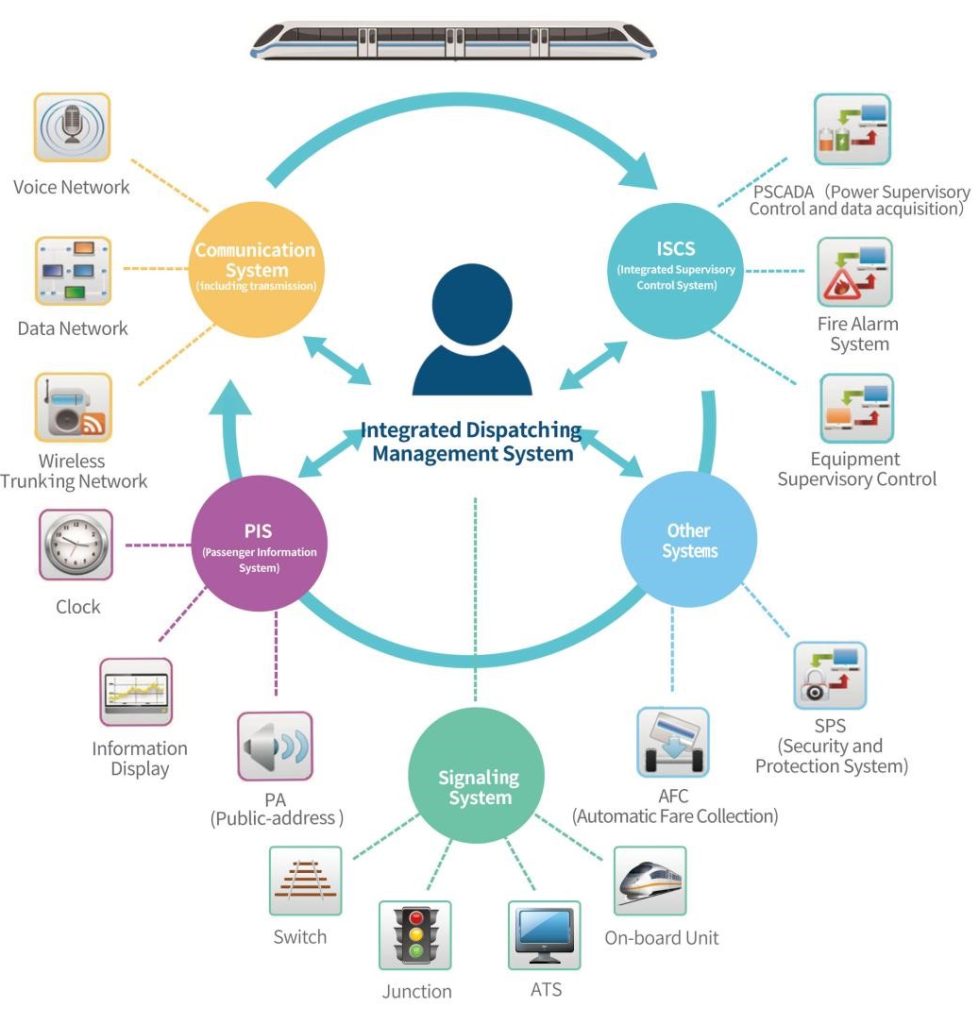
Advantages:
-
Professional comprehensive integration capability
As the industry's leading professional integrator of communication and signaling systems, we provide a whole set of comprehensive integrated solution of intelligent control systems for professional consultation, design, construction, testing and maintenance.
-
Highly integrated system
Our solution is tailored for urban rail transit with highly integrated design based on the independently developed core, - integrated dispatching management platform and key subsystems such as ATS, PSCADA , PIS, PA, etc.
-
Great capabilities of engineering and project management
We are in possession of many experienced project management personnel with many years of experience in project implementation to provide full-lifecycle project management and quality assurance.
-
Rich experience in project practice
We have many years history of project implementation in the field of rail transit and have accumulated rich practical experience in the construction of subway and tram projects in Shanghai, Suzhou, Wuhan, etc.
-
Perfect training and after-sales service system
We provide professional technical and management training. With 7x24-hour customer service center, complete three-level service system, sufficient spare parts storage, we provide "one-stop" after-sales service to solve your worries.
System Introduction
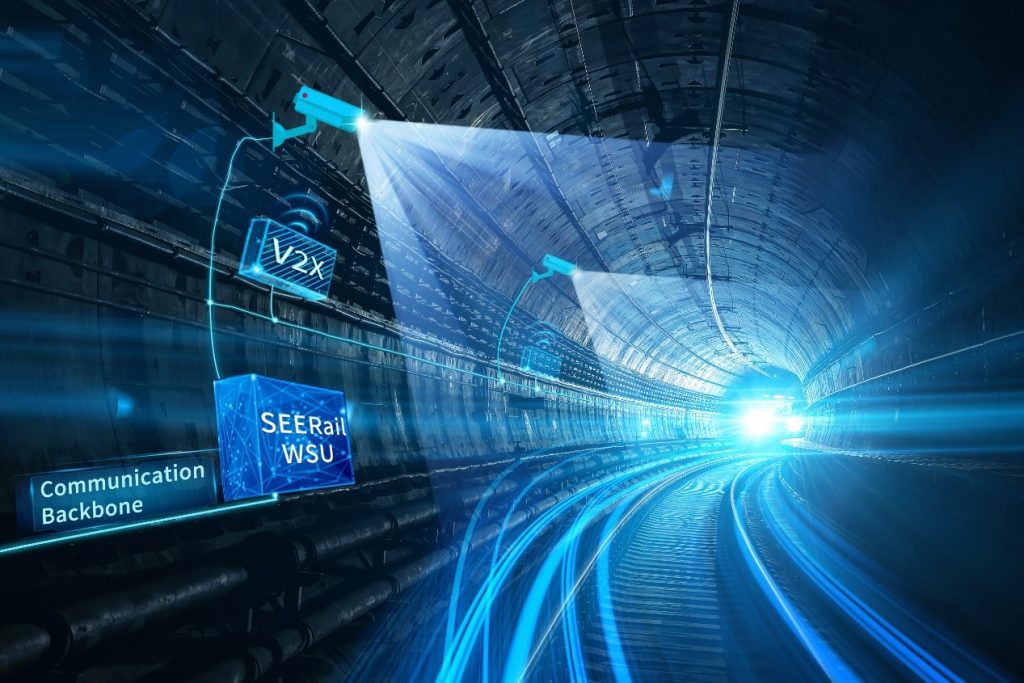
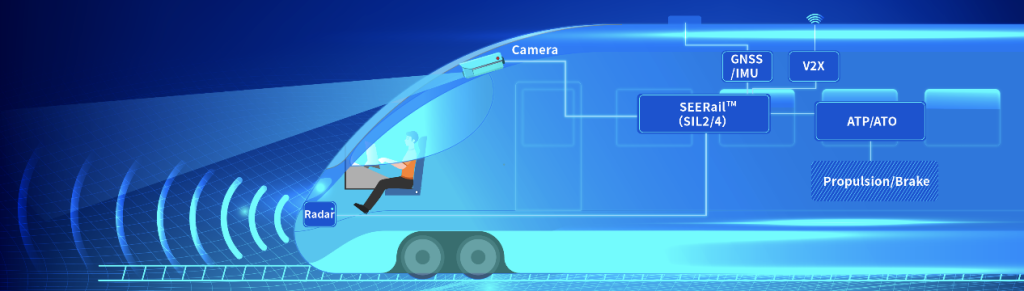
In the spirit of “Internet + Transportation”, the urban rail transit has become more digital, interconnected, automated and intelligent. The fully automatic train operation featuring GoA4 (Grade of Automation) has been realized on closed railways, while the line highly dependents on segregated path and highly reliable systems. The FiTSCO SEERail® autonomous perception suite, acting as a critical part of next-generation train control system, enable the train “feel” the environment on its own so an autonomous operation and backup system can be realized. SEERail® lessens the rail command and control system (CCS) for path segregation, therefore reduces the impact of degradation/down time of signal system to the train operation.
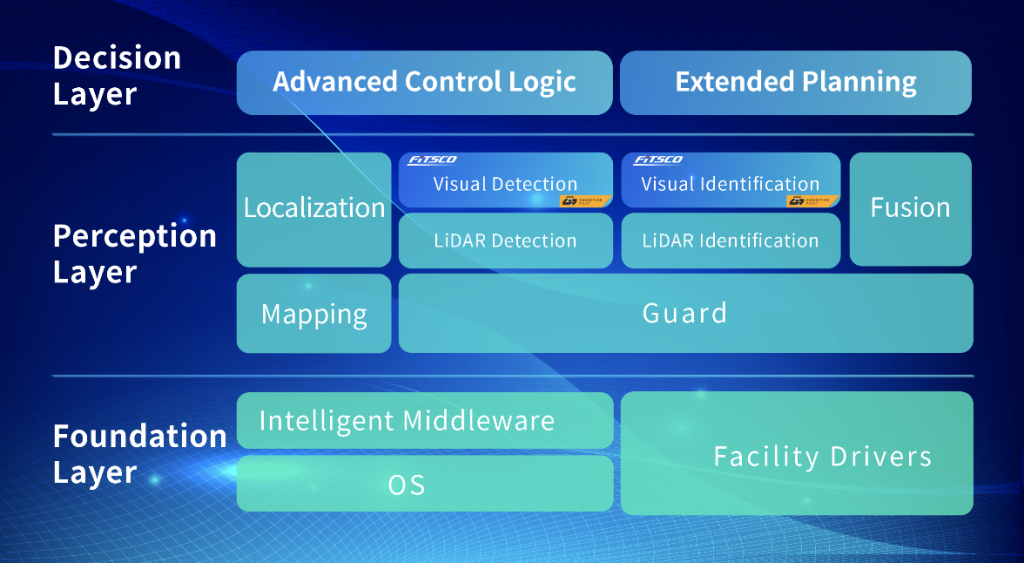
The SEERail® suite is established on fully-owned and certified ICCP (Intelligent Cognitive and Control Platform), together with cameras, radars and LiDARs as external sensors to form the fundamental computational platform. The CyLENS AI software with algorithms developed by international teams acts the core of the products, which provides track detection and object detection perception identification.
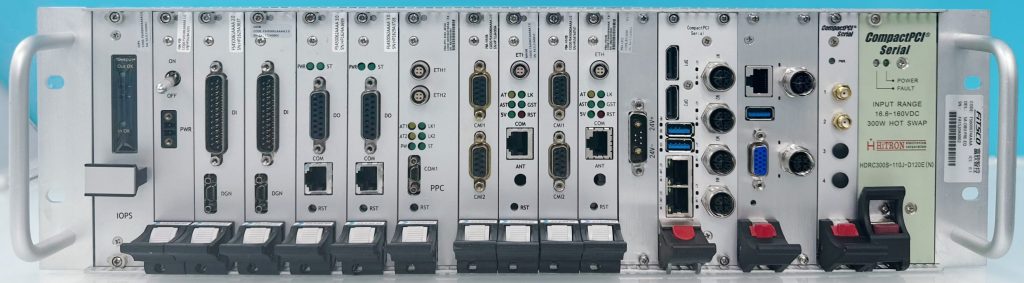
The SEERail® suite consists of iCab system (for onboard applications) and iTrack system (for wayside applications). Through modular and configurable hardware and software with redundant and reliable design, the suite and its solutions can be delivered with various functionalities, specifications and safety levels for multiple scenarios and conditions.
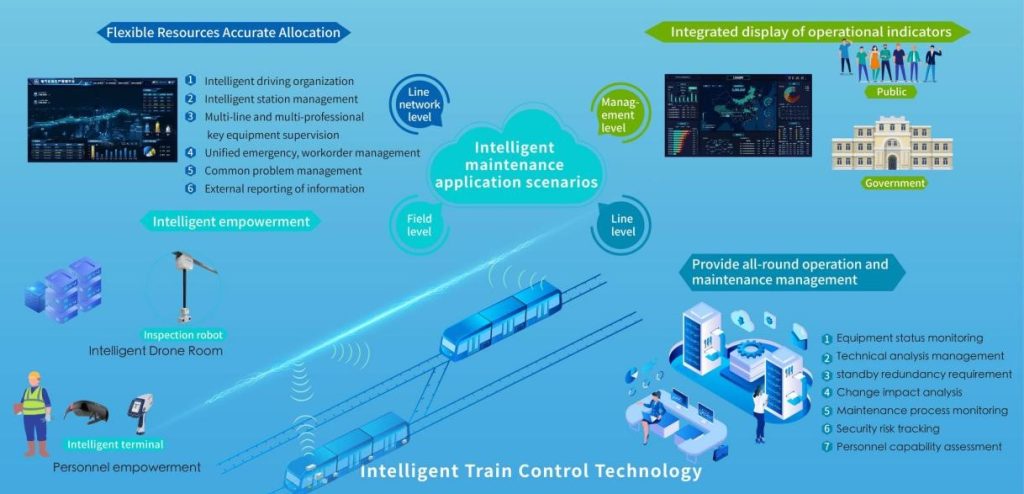
“Intelligent transportation and maintenance system” is based on maintenance business as the carrier, scenario application as the core, industrial Internet, artificial intelligence, big data, cloud computing and other technical means as the basis, to meet the upgrading and transformation needs of maintenance mode, to provide a smarter, safer, more efficient and more economical urban rail transit maintenance system.
Architecture
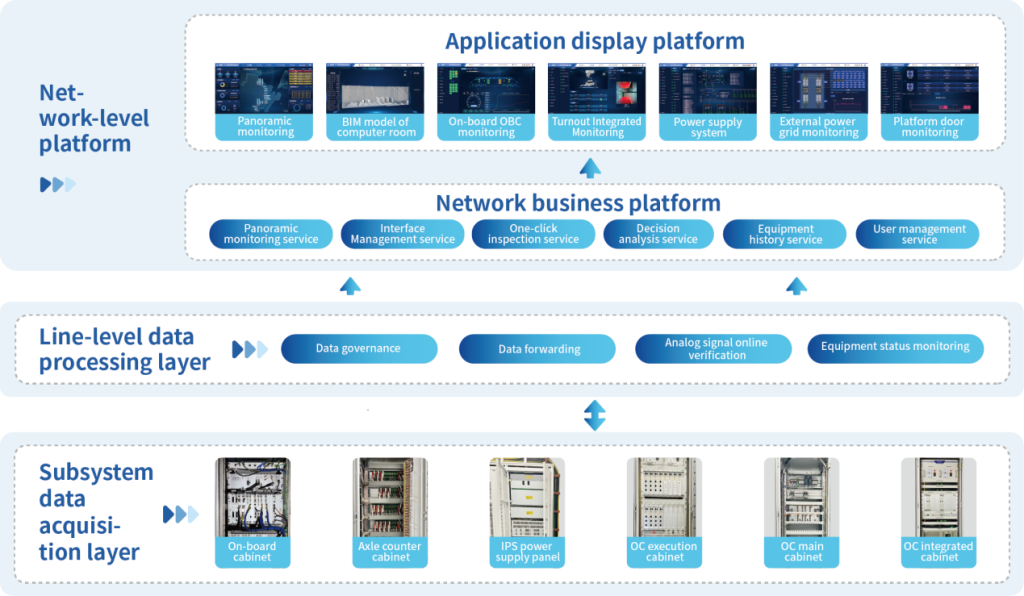
Functional Module
-
Panoramic monitoring
Built on a line-level intelligent O&M platform, it delivers comprehensive visibility into signaling equipment status, pushes real-time fault alerts, and provides expert diagnosis and condition-based maintenance recommendations, significantly enhancing fault resolution and repair efficiency.
-
Operation monitoring
Leveraging system and equipment characteristics, it enables real-time monitoring through multi-dimensional visual displays—such as topology, logic, and electrical schematic diagrams—associating alarms with graphic data to pinpoint faults down to the board level, dramatically improving online inspection and fault localization efficiency.
-
Decision Analysis
Powered by AI algorithms, it integrates diverse O&M scenarios, conducts in-depth historical data mining, and builds expert diagnostic rule bases, case libraries, knowledge repositories, and intelligent diagnosis models to process fault information accurately via dynamic decision-making algorithms.
-
Production Management
Using BIM models and real-time equipment status, it evaluates health indicators and intelligently recommends maintenance based on current conditions and lifespan predictions, driving the shift from planned and reactive maintenance to condition-based and predictive maintenance.
Application Achievements
-
Operation monitoring aspect:
The one-click inspection feature covers 100% of inspection points in equipment rooms and electric trains, improving inspection efficiency by over 95%, supporting cost reduction and efficiency gains, while minimizing accidental contact with switches, buttons, and cabinet equipment.
-
Regarding equipment maintenance:
Through operational monitoring, maintenance cycles for onboard and trackside equipment are extended and optimized, saving over 100,000 kWh of electricity and 30,000+ man-hours annually, with a 20% reduction in personnel demand.
-
In terms of decision analysis
By combining alarm push and expert diagnosis, faults transition from passive discovery to active management, reducing communication time, enabling rapid root cause identification, and providing impact analysis and handling recommendations—cutting fault response by 5 minutes, boosting emergency response efficiency by 21%, saving 7 minutes in fault confirmation, and improving emergency handling efficiency by 30%.
-
Production management aspect:
Health early warnings enable proactive risk identification, supporting preventive and overhaul decisions and facilitating the shift from scheduled to condition-based maintenance. BIM-based disassembly training strengthens employee understanding, increasing training efficiency by 30% and production management data entry efficiency by 50%.