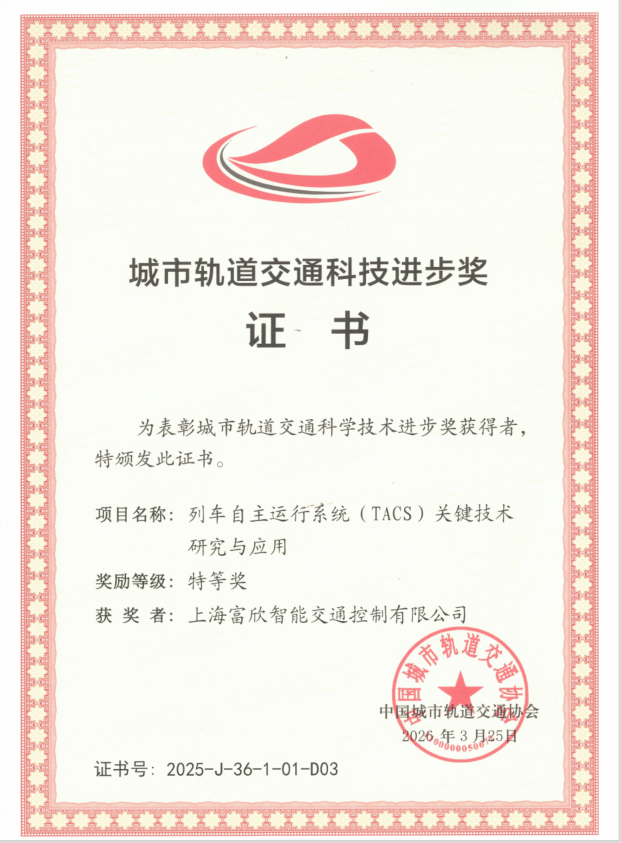
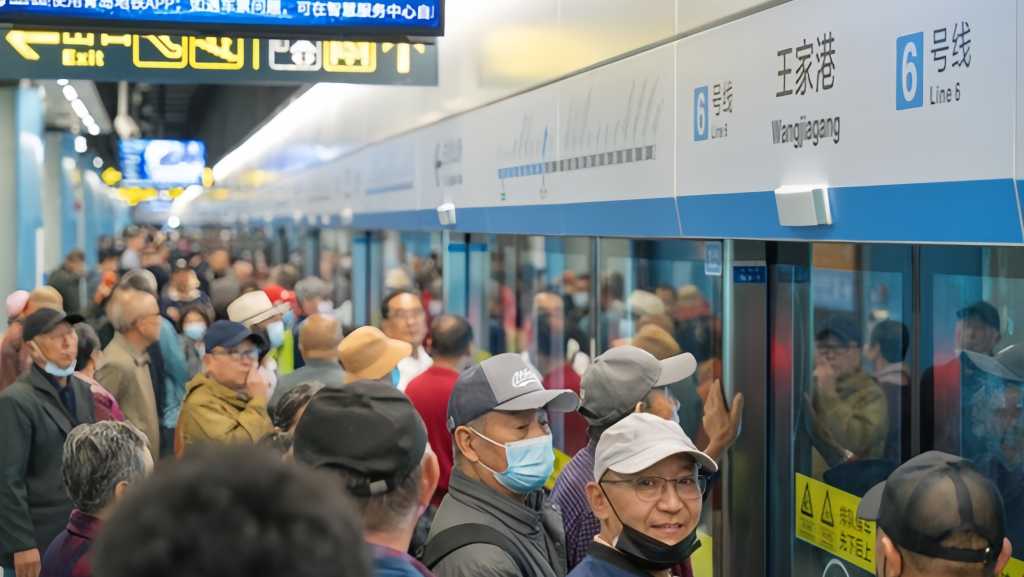
TACS honored with the special prize

Recently, the China Urban Rail Transit Association officially announced the winners of the 2025 “Urban Rail Transit Science and Technology Progress Award.” Among them, the project “Key Technology Research and Application of Train Autonomous Operation System (TACS),” led by Qingdao Metro and jointly completed by Fuxin Intelligent Control, CRRC Sifang, Sifang Co., Ltd., Zhongxing Gaoda and other units, won the Special Award of the “2025 Urban Rail Transit Science and Technology Progress Award.”

The China Urban Rail Transit Science and Technology Progress Award is the highest scientific and technological award in the field of urban rail transit, established by the China Association of Metros, and has been included in the list of social awards announced by the National Awards Office. In recent years, this award has continuously increased support for original innovation, breakthrough ‘bottleneck’ technologies, and the transformation of achievements. Special award projects not only represent the most advanced technological level and the most important future development directions in China’s urban rail transit field, but also serve as key scientific and technological forces driving the high-quality development of the industry.

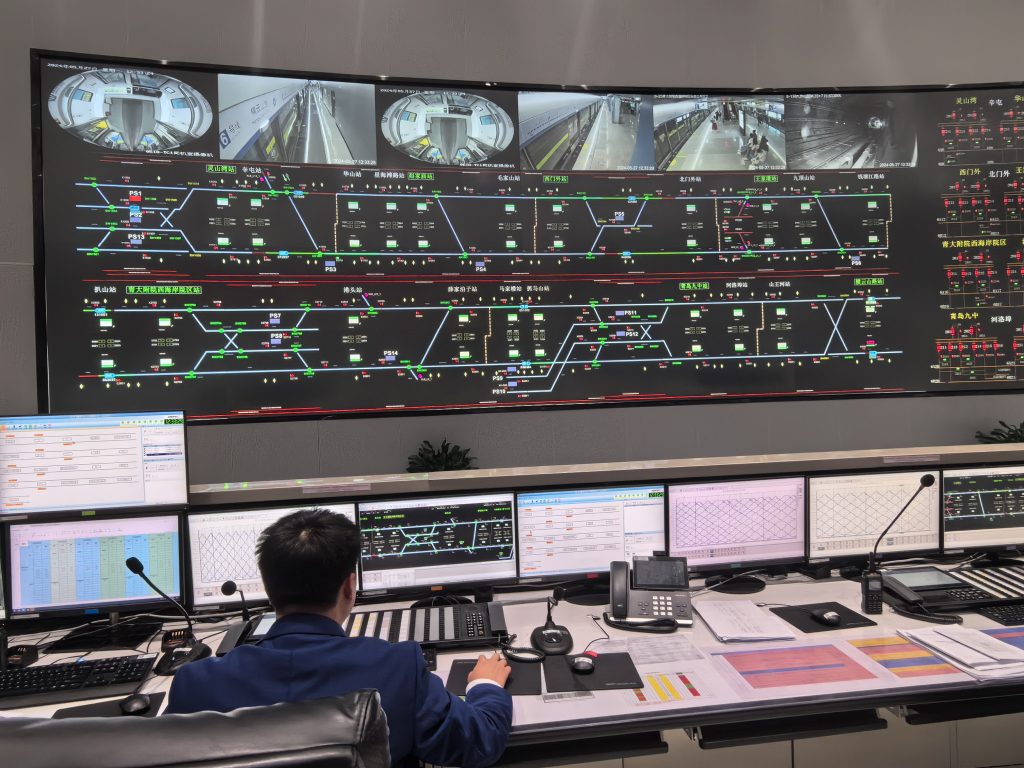
In response to global industry challenges such as the difficulty in breaking through the capacity bottlenecks of traditional train control systems, weak professional collaboration capabilities, and high lifecycle costs, the Train Autonomous Control System (TACS) focuses on achieving autonomous train operation and improving high-density operation efficiency. It is committed to innovating the traditional train operation control model and has broken through the technical barriers of “tight coupling of train control and interlocking, independence of vehicles and signals, and reliance of operation control on the ground.” It proposed for the first time the traffic safety control theory of “resource management”; pioneered the deep integration technology of vehicles and signals, achieving equipment sharing and information sharing; and pioneered the method of “train as the core control entity,” developing vehicle-to-vehicle communication links and control architecture. The theory is more advanced, technology is more leading, operation and maintenance are smarter, and the technology has reached an “internationally leading level.”

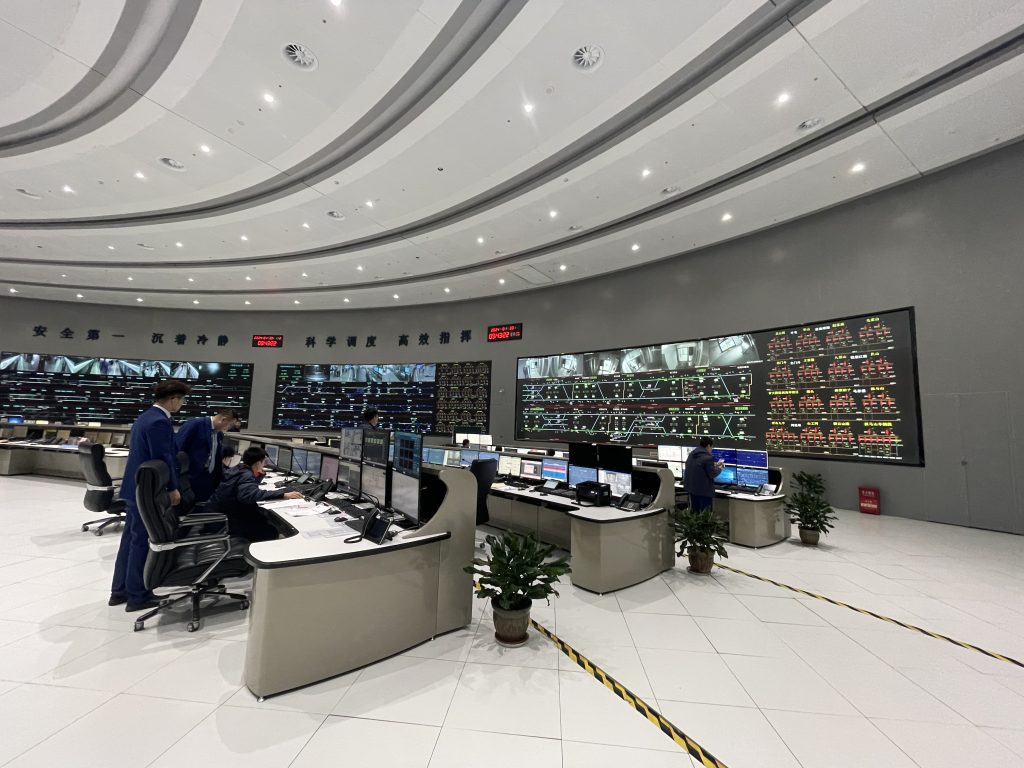
As a national-level demonstration project in the key field of rail transit equipment under the National Development and Reform Commission, and also a demonstration project of the China Urban Rail Transit Association, the TACS project focuses on technological breakthroughs in areas such as ‘data communication between trains,’ ‘refined resource management,’ and ‘deep integration of vehicles and signaling.’ Through system architecture optimization and functional redistribution, it achieves train autonomous operation centered on the train itself, offering advantages such as a safer and more reliable system, smarter and more autonomous operation, more efficient and flexible operations, better economic benefits, easier interoperability, and modification of existing lines, allowing for better fulfillment of the networked and flexible operational requirements of urban rail transit.

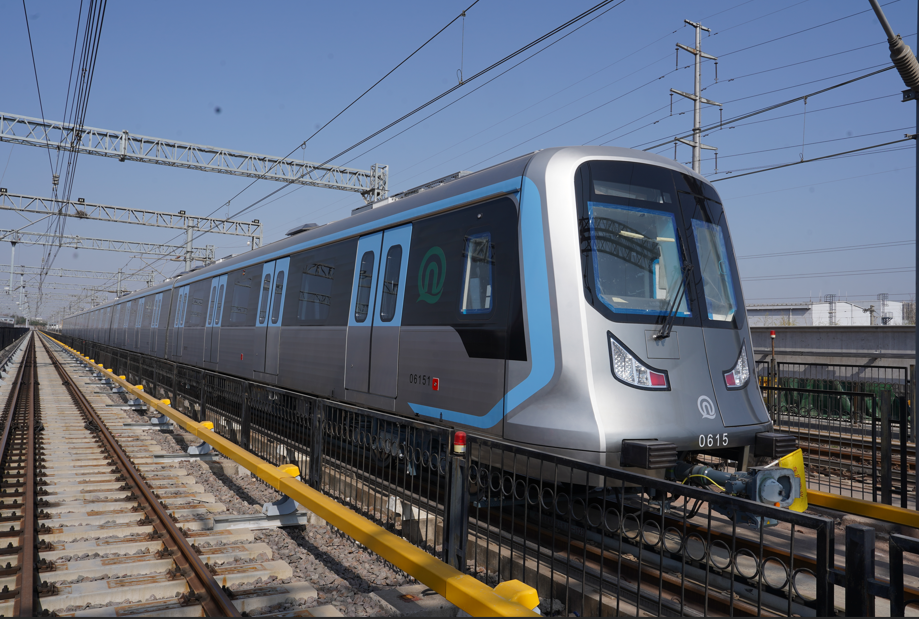
As a new generation train control system, TACS underwent 8 years of technological research, testing, and verification before finally achieving commercial application. It is a landmark achievement of China’s smart urban rail transit, marking the leap of China’s rail transit equipment from ‘nonexistent’ to ‘technology leader.’ The TACS demonstration project, Qingdao Metro Line 6, has maintained stable and precise train operations since its opening. Its core operational indicators consistently lead the levels of contemporary metro networks, demonstrating the reliable strength of the new generation train control technology through actual operational results.

During the 15th Five-Year Plan period, China will focus on building a new-era urban rail transit system that integrates intelligence, green technology, and innovation, promoting a fundamental shift in the industry from scale expansion to quality improvement, and embarking on a new journey of sustainable, intelligent, and efficient development. In this process, the technological advantages of Train Autonomous Control Systems (TACS) will continue to be highlighted, not only providing strong support for the construction of efficient and intelligent rail transit networks across the country, but also helping Chinese rail transit technology step onto the world stage, shining uniquely on the global arena, and delivering more significant social, economic, and promotional benefits.

Scroll to Top